
- Rumah >
- Berita >
- > Berita industri >
- Foyo Ceramic Ball Valves Contribute to Waste and recycling industry
Foyo Ceramic Ball Valves Contribute to Waste and recycling industry
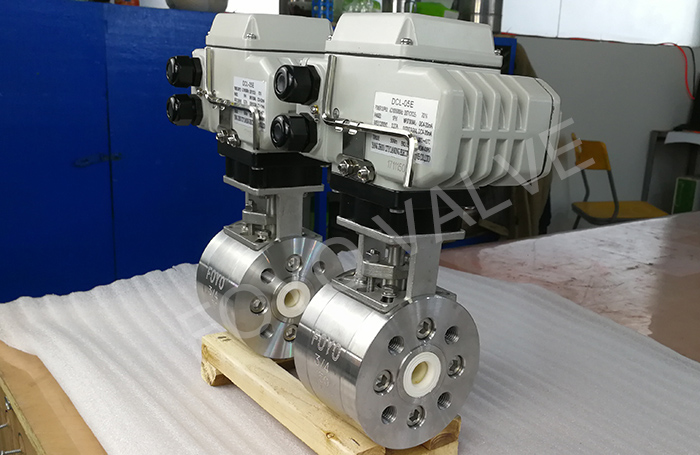
In 12/2015, Sinogal purchased two pcs 3/4”, Class 150 electric full lined V port ceramic ball valves from Foyo, to replace Fujikin valves for the lime stone slurry system,
After one years’ service time, it was proved that Foyo V port ceramic ball valve have the same performance, even better. Then, Sinogal re-ordered Foyo’s ceramic ball valves several times.
The Macao Environment Protection Bureau announced on March 8th that it had won the bid from the “Major Plant Upgrade of the Old Plants of the Macao Waste Incineration Center”. SINOGAL took the effectiveness and reputation of the operation and maintenance of the Macao Incineration Plant and promised to “do not affect the waste treatment capacity and match the original maintenance. Stop the furnace project and properly complete all upgrades" to obtain this equipment upgrade.
After the operation period of the old plant and equipment of the Macao Garbage Incineration Center, there will be risks that cannot be repaired once it fails, delaying the processing time of Macao's waste incineration.
SINOGAL is a joint venture between CTCI Zhongding Group, a leading Taiwanese engineering company, and ECOVE's subsidiary Dingding Technology Service Co., Ltd., and Portugal's Consulgal Group and its subsidiary Consulasia, specializing in Macao Incineration Center and Macao Special/Dangerous. The operation and maintenance operations of the waste treatment station mainly deal with general waste and special and hazardous waste generated in Macao.
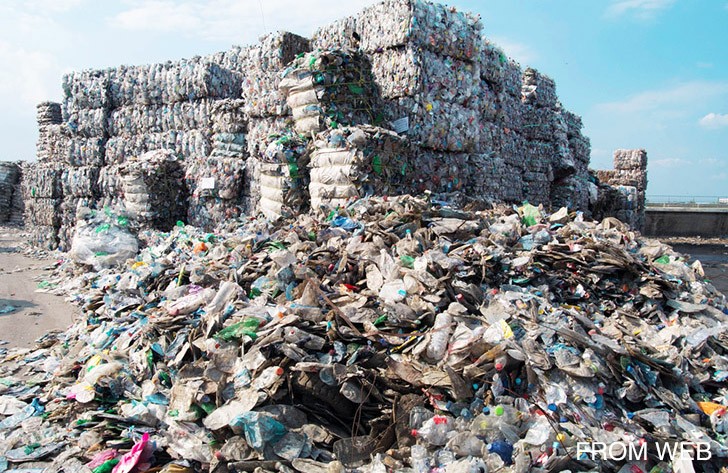
China’s limits on contamination levels have sparked a recycling industry crisis. What are local and state governments doing to solve the problem? With China saying no to waste from the overseas, the world needs a new plan to handling the waste recycling,
China has imported 45% of the world's plastic refuse since 1992, allowing many other countries to dodge the question of how to process the unwanted material. But on Jan. 1, a strict ban by the Chinese government on importing nonindustrial plastic waste, as well as stricter standards for the type of paper waste that is accepted, means much of that material now has no place to go.
Waste-to-energy or energy-from-waste is the process of generating energy in the form of electricity and/or heat from the primary treatment of waste, or the processing of waste into a fuel source. Waste-to-energy is a form of energy recovery. Most Waste-to-energy processes generate electricity and/or heat directly through combustion, or produce a combustible fuel commodity, such as methane, methanol, ethanol or synthetic fuels.